Coordinating Staking Plans with Real-Time Developments in Global Soccer Competitions and Thoroughbred Races Using Mobile Applications
Nils Frank · Jul 18, 2026

Coordinating Staking Plans with Real-Time Developments in Global Soccer Competitions and Thoroughbred Races Using Mobile Applications
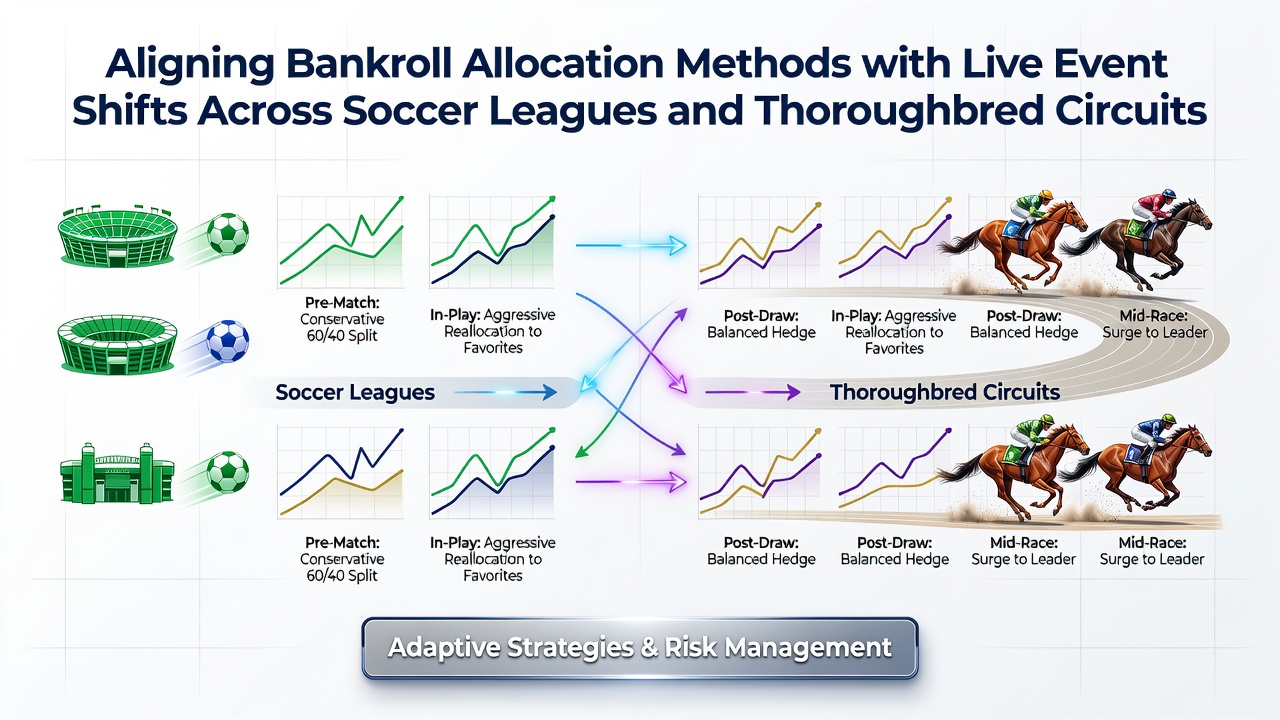
Handheld applications now support dynamic adjustments to bankroll allocation as live conditions evolve during soccer matches and thoroughbred events, and operators integrate real-time data feeds that reflect momentum changes, injury updates, and track conditions. These platforms allow users to redistribute portions of available funds across multiple outcomes while events unfold, and the approach relies on predefined rules that scale exposure based on probability shifts reported by official data streams.
Core Allocation Frameworks in Mobile Environments
Fixed-percentage models remain common because they tie each stake directly to the current bankroll size, and this method automatically contracts or expands exposure when live odds move. Percentage-based systems pair well with soccer leagues where goal timings alter implied probabilities, whereas thoroughbred competitions often see pace figures and weather data trigger similar recalibrations. Observers note that applications display updated allocation sliders within seconds of official updates from leagues or racing authorities, and users can lock segments of the bankroll to preserve capital across parallel events.
Kelly criterion variants appear in several major applications because they incorporate estimated edge derived from live statistics, yet operators cap maximum stake sizes to limit drawdown risk. Data from the Nevada Gaming Control Board shows that mobile wagering volumes in regulated markets grew steadily through the first half of 2026, and similar patterns emerged in Australian jurisdictions where handheld usage dominates both soccer and racing verticals.
Live Event Triggers Across Soccer Leagues
Red cards, substitution patterns, and set-piece efficiency metrics prompt immediate recalculation of remaining bankroll portions allocated to next-goal markets or match-result lines. European top-flight competitions supply granular event data through official APIs that mobile platforms consume, and this information flows into staking engines that adjust recommended percentages within a single betting session. Users often maintain separate allocation buckets for pre-match and in-play segments, and the separation prevents overexposure when one match produces unexpected variance.
Research from the University of Nevada, Las Vegas, indicates that bettors who rebalance allocations after every significant in-match event maintain steadier bankroll trajectories over multi-week samples. Applications surface these triggers through push notifications, and the interface highlights the exact percentage shift required to stay within the user's risk parameters.
Thoroughbred Competition Adjustments
Track conditions, barrier draws, and sectional timing updates drive parallel allocation changes in racing markets, and applications combine these factors with tote dividend movements to recalculate exposure. National Hunt and flat racing calendars overlap with major soccer weekends in July 2026, and operators report increased simultaneous usage of both verticals on the same handheld sessions. Allocation rules frequently assign smaller percentages to exotic bets such as trifectas or forecasts because variance remains higher once the race starts.
Industry reports from the Australian Gambling Research Centre document that mobile users who apply tiered staking plans across racing fields experience fewer full-bankroll drawdowns during volatile summer meetings. The same platforms allow users to mirror allocation percentages across linked soccer and racing events, and this mirroring feature reduces manual input when both markets move rapidly.
Integration of Multi-Event Sessions
Handheld applications support simultaneous tracking of several soccer fixtures and multiple race meetings, and allocation engines distribute funds according to volatility rankings that update continuously. Users define maximum exposure caps per sport, and the software enforces these caps even when live shifts would otherwise suggest larger stakes. Cross-market hedging becomes feasible when an application calculates the combined implied probability across one soccer goal line and one thoroughbred place market, and the resulting allocation reflects the blended risk profile.
Regulatory filings from the Alcohol and Gaming Commission of Ontario reveal rising adoption of such multi-vertical tools among Canadian users during overlapping summer schedules. The filings also note that session-level bankroll summaries now include projected allocation drift based on current live conditions, and this visibility helps users maintain discipline across extended mobile sessions.
Conclusion
Alignment between bankroll allocation methods and live event data continues to evolve through handheld applications that process soccer and thoroughbred information streams in parallel. Fixed-percentage, Kelly-derived, and tiered models each receive real-time inputs from official sources, and the resulting adjustments occur within the same interface that displays updated odds. Observers record steady growth in regulated mobile volumes across multiple jurisdictions, and the pattern suggests sustained demand for tools that coordinate allocation rules with shifting conditions in both sports.