Device-Driven Decisions: How Mobile Tools Support Informed Choices in Real-Time Football and Racing Wagers
Hugo Becker · May 20, 2026
Device-Driven Decisions: How Mobile Tools Support Informed Choices in Real-Time Football and Racing Wagers
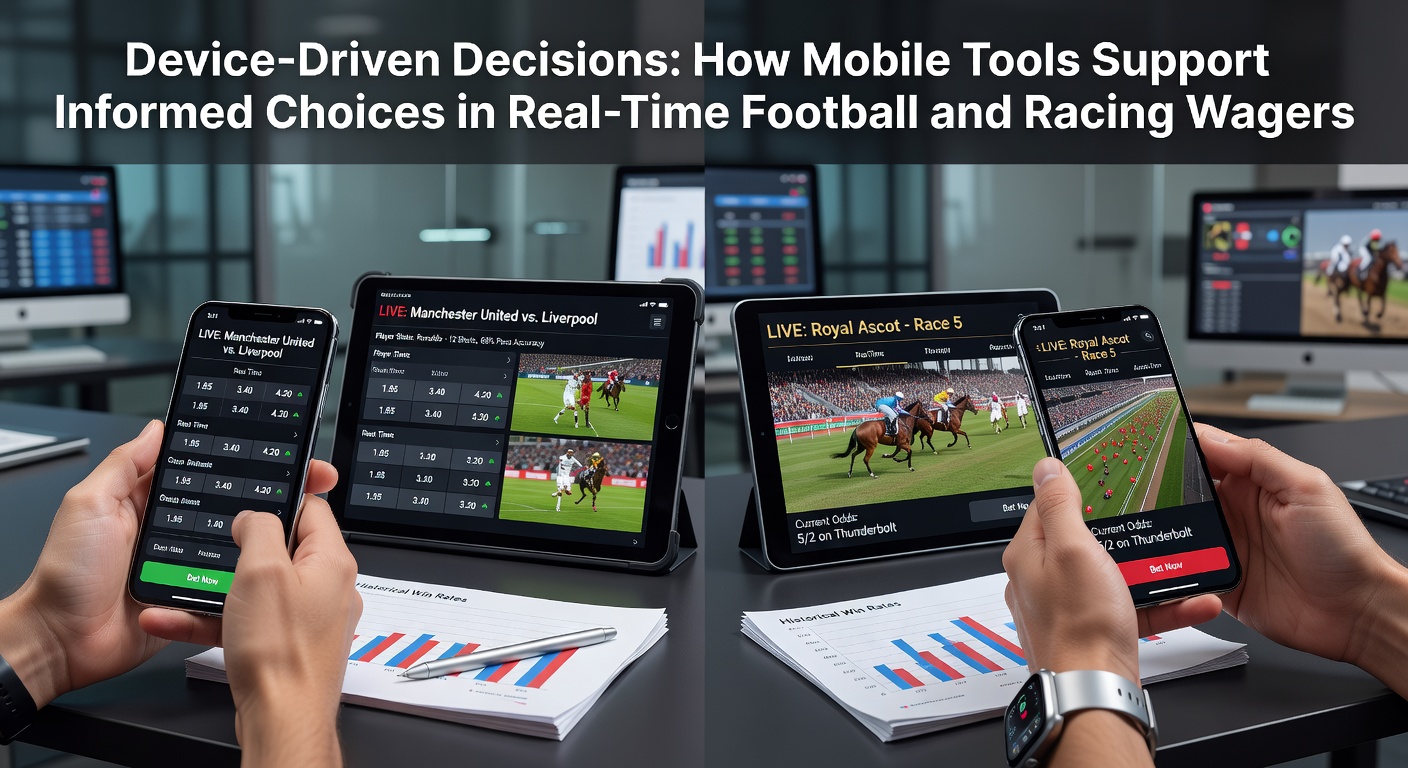
Smartphones and tablets now anchor the way participants evaluate options during live football matches and horse races, delivering layered data streams that update continuously and allow quick adjustments based on shifting conditions on the pitch or track. These tools aggregate player performance metrics, team formations, pace figures, sectional times, and dynamic odds into single dashboards, reducing the time between observation and response. Observers note that the integration of push notifications with live video feeds creates a seamless loop where new information arrives precisely when it can influence the next wager.
Applications designed for these markets pull from official league sources and racing authorities to display current scorelines alongside expected goals models, while horse racing platforms surface live positioning data and going reports updated by stewards. In May 2026, several major operators rolled out enhanced APIs that sync directly with stadium sensors and trackside timing systems, producing visualizations that highlight momentum swings or closing sectional improvements without requiring users to switch between multiple screens. Those who follow multiple events simultaneously often rely on split-view layouts that keep football substitutions visible next to a horse's stride analysis from the same meeting.
Real-Time Data Layers in Football Markets
Football betting interfaces present possession heat maps, pass completion rates in key zones, and pressing intensity numbers that refresh every few seconds during open play. Bettors can cross-reference these indicators with in-match odds movements to decide whether an over/under line still holds value after a red card or tactical shift. The same screens often include historical head-to-head filters that adjust automatically when lineups are confirmed, allowing comparisons between current starting elevens and past results under similar conditions.
Notifications triggered by corner counts or shot locations reach devices within seconds of the event, and users can set custom thresholds so only statistically significant developments interrupt their viewing. Research from the Australian Gambling Research Centre indicates that participants using these filtered alerts complete more informed in-play selections than those relying solely on broadcast commentary, because the data arrives independent of commentator bias or camera angles.
Tracking Tools Specific to Racing Decisions
Racing applications display sectional splits, stride length estimates, and jockey whip counts alongside live betting markets, giving users immediate context for why a favourite has drifted or shortened. Track maps update with real-time ground conditions measured by on-course sensors, and these figures feed directly into algorithms that recalculate place probabilities after each furlong. During evening meetings in May 2026, several platforms introduced augmented overlays that highlight wind direction effects on the home straight, data previously available only to professional syndicates.
Trainers' post-race comments and official handicapper notes appear in dedicated feeds that users can toggle on or off, keeping the main interface uncluttered. This modular approach lets experienced observers maintain focus on pace figures while still accessing contextual information when a longshot begins to move in the market.
Cross-Sport Portfolio Management Features
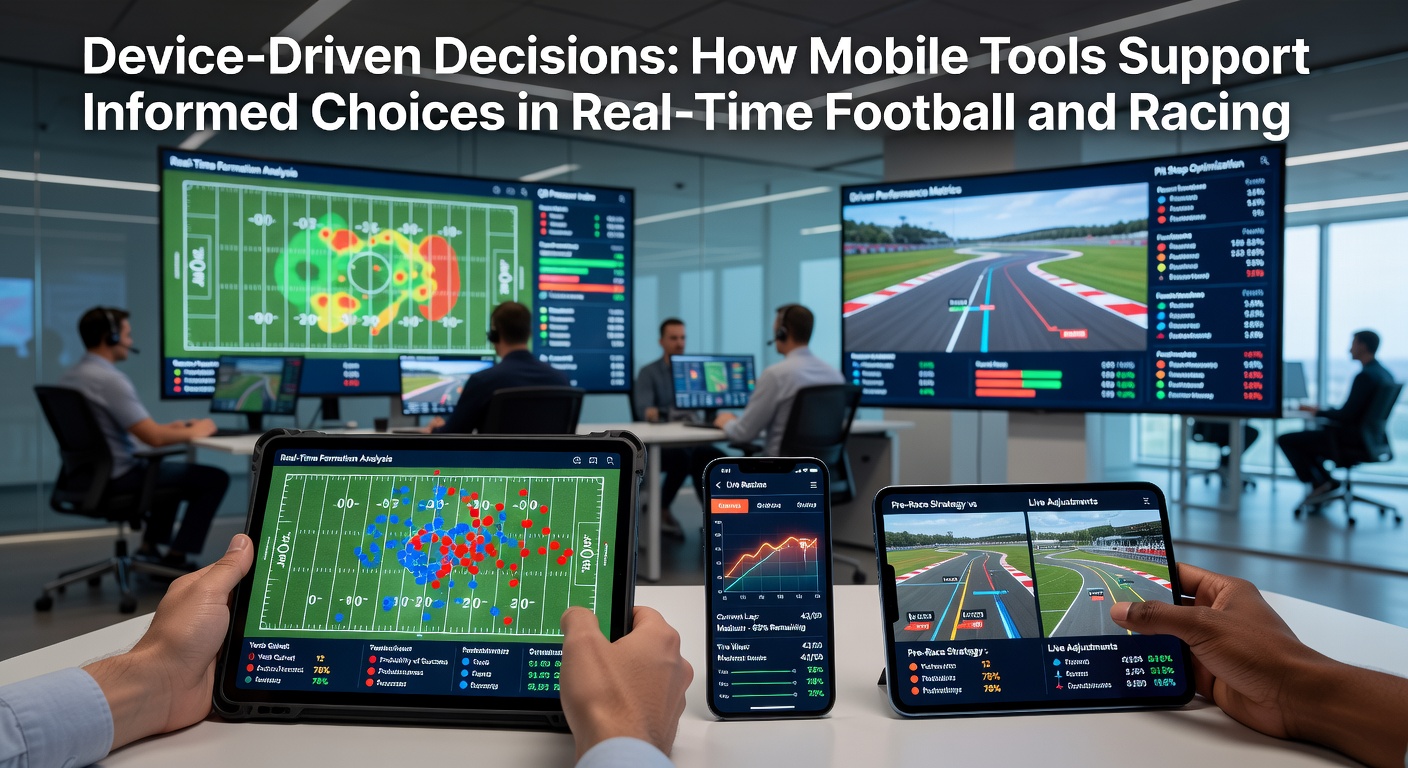
Many mobile platforms now support simultaneous football and racing portfolios within one account, displaying combined exposure across both codes and flagging correlations such as overlapping time windows between a Premier League fixture and a jumps card. Cash-out sliders adjust continuously based on live probability models, and users can set rules that automatically reduce stakes on one market when another reaches a pre-defined profit threshold. These automation layers help maintain discipline during rapid sequences of events without constant manual intervention.
Security protocols in these applications include biometric login combined with transaction limits that can be adjusted per session, aligning with guidelines from bodies such as the Australian Gambling Research Centre. Device-level encryption protects account details even when users toggle between networks at stadiums or racecourses, where public Wi-Fi remains common.
Accessibility and Interface Evolution
Voice-command integration allows hands-free updates during matches or races, while haptic feedback signals significant odds movements without requiring visual checks. Larger text modes and high-contrast themes support users in bright outdoor environments, and these settings persist across sessions. Developers have also introduced gesture-based navigation so that swiping through statistical layers does not obscure the live stream window.
Industry reports compiled by the University of Nevada Gaming Innovation Lab show steady adoption of these accessibility features across both established and newer operators, particularly among participants who manage multiple wagers throughout an afternoon or evening program.
Conclusion
Mobile tools have become central to how participants process live information across football and racing, supplying structured data that supports decisions made in compressed timeframes. The combination of official statistics, visual overlays, and automated alerts creates an environment where adjustments can be made based on measurable factors rather than intuition alone. As sensor networks and application features continue to advance, the same platforms are expected to incorporate additional layers such as weather micro-forecasts and fatigue models derived from player tracking systems, further refining the information available to those placing wagers in real time.