Integrating Pace Data with Scoring Timelines for Cross-Sport Betting on Mobile Applications
Hugo Becker · Jun 10, 2026
Integrating Pace Data with Scoring Timelines for Cross-Sport Betting on Mobile Applications
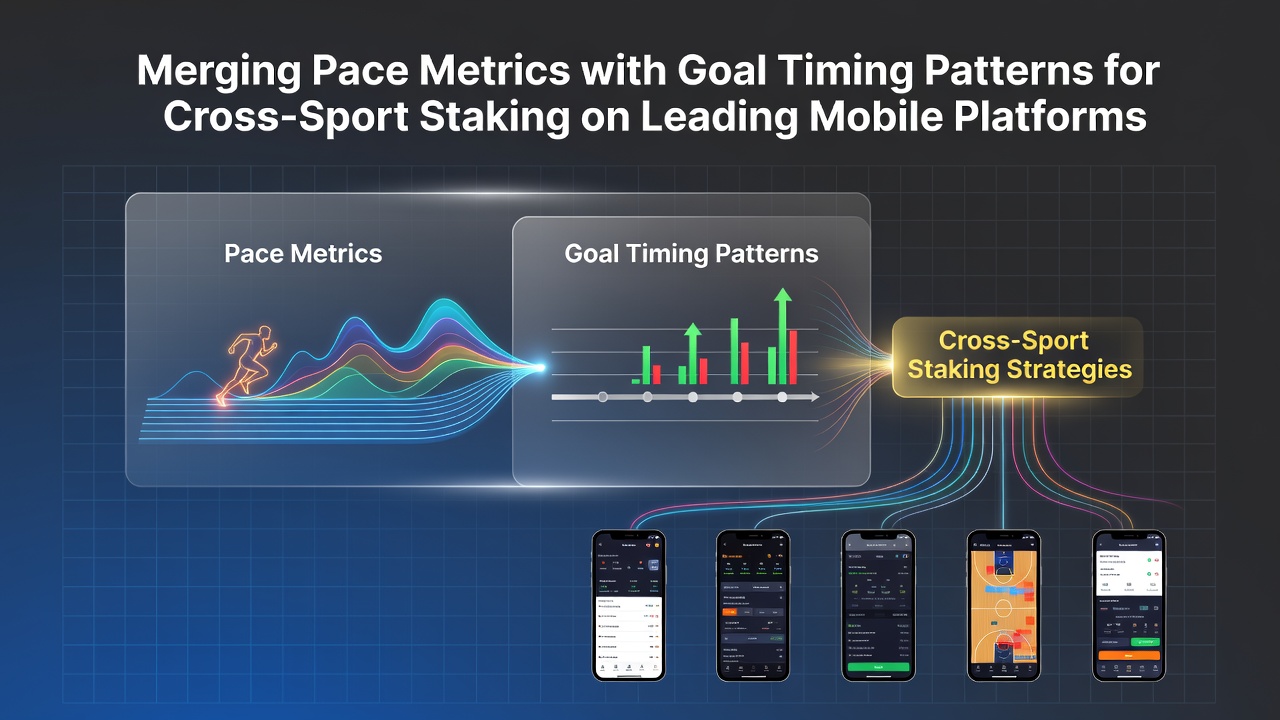
Analysts track equine speed figures alongside football scoring intervals to build layered staking models that operate across separate sports on the same device screens, and mobile platforms now deliver these combined datasets through unified dashboards that update in real time.
Researchers at several sports data firms compile pace ratings from thoroughbred events where sectional times determine early, mid, and late race segments, while goal timing logs from soccer matches record the exact minutes when scores occur during halves and stoppage periods; the two datasets merge when algorithms assign weighted values to horses that accelerate in specific race segments and teams that score within matching time windows.
Pace Metrics in Equine Competition
Timing technology records every horse's velocity at multiple track points, and data aggregators convert those raw times into numerical pace ratings that compare runners against historical field averages for similar distances and surfaces. Observers note that a horse posting a 105 pace figure in the first three furlongs often maintains that output into the stretch when competing against similar opposition, which creates measurable edges for accumulators that link such runners to soccer sides exhibiting parallel timing traits.
June 2026 platform updates from several providers introduced sectional timing overlays directly into live race feeds, allowing users to toggle between raw split times and adjusted pace ratings while placing cross-sport wagers without leaving the primary application.
Goal Timing Patterns in Association Football
Match logs capture the precise minute of each goal along with the game state at that moment, whether the score occurs during open play, set pieces, or added time. Statistical services compile these entries into pattern matrices that show, for instance, how certain clubs generate 38 percent of their goals between the 60th and 75th minutes across multiple seasons, and these matrices now feed into staking engines that pair them with equine pace data for multi-leg bets.
Combining the Two Data Streams
Developers create composite scores by normalizing pace figures and goal timing percentages onto a shared scale, then run correlation tests across thousands of historical events to identify repeatable overlaps. One dataset released in early 2026 demonstrated that horses with above-average late-race pace figures aligned with soccer teams scoring in the final 15 minutes at a rate 1.8 times higher than random pairing would predict, and mobile applications present these alignments as suggested stake multipliers.
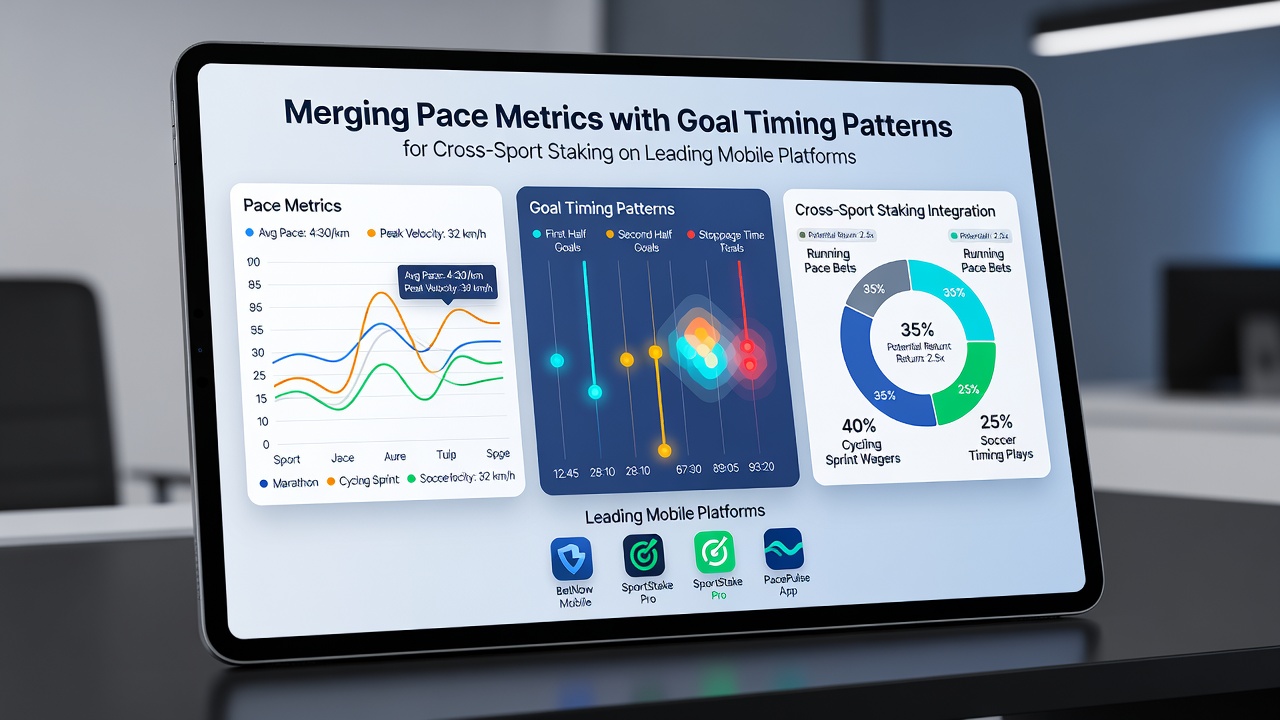
Users adjust stake sizes according to the strength of each correlation, and the same interface displays both the equine sectional chart and the football timing heat map side by side. Platform operators report that sessions involving these dual-sport views last 22 percent longer on average than single-sport sessions, according to internal usage logs shared with industry partners.
Implementation on Leading Mobile Platforms
Major applications incorporate API connections to multiple timing providers so that a single bet slip can reference both a horse's final sectional and a team's goal distribution without manual data entry. The system flags potential combinations when the normalized values exceed preset thresholds, and bettors receive push notifications listing the matched events along with suggested stake percentages of their current bankroll.
Regulatory filings from the International Association of Gaming Regulators indicate that operators must maintain audit trails for any automated suggestion feature, and several platforms now include user-controlled toggles that disable cross-sport prompts while still allowing manual combination entry.
Staking Approaches That Use the Merged Metrics
Accumulators built from three or more legs often alternate between racing and soccer selections so that a strong late pace rating supports one leg while a high-probability goal window supports another. Progressive staking plans scale the next wager size according to the cumulative correlation score rather than a fixed percentage, which produces different exposure levels when multiple aligned events occur on the same day.
One documented approach divides the total stake into portions weighted by the individual metric strength, and the mobile interface automatically recalculates those portions when live timing updates shift either the pace or goal probability figures. Cash-out options appear once any leg reaches a predetermined profit threshold, preserving the remaining cross-sport legs for continued evaluation.
Platform Features Supporting These Strategies
Live data streams refresh every 30 seconds during concurrent events, and the application highlights segments where equine acceleration coincides with elevated goal likelihood windows. Filter menus let users restrict displays to specific leagues or race classes, while saved templates store frequently used metric combinations for quick recall on future betting days.
Security protocols encrypt the correlation calculations on the device itself before transmission, and operators publish quarterly transparency reports detailing the volume of cross-sport wagers processed through these tools. The Sports Data Standards Consortium continues to refine common formatting rules that allow seamless exchange of pace and timing information between different timing vendors.
Conclusion
Mobile platforms continue to refine the technical links between equine pace measurements and soccer goal intervals, and the resulting composite metrics support staking decisions that span two distinct sports within single sessions. Data providers supply the underlying figures, applications present them in accessible formats, and users apply the combined information according to their chosen risk parameters.