Session Reminders: Savvy Punters' Tool for Curbing Impulses in Live Football Betting
Jordan Bennett · Apr 18, 2026
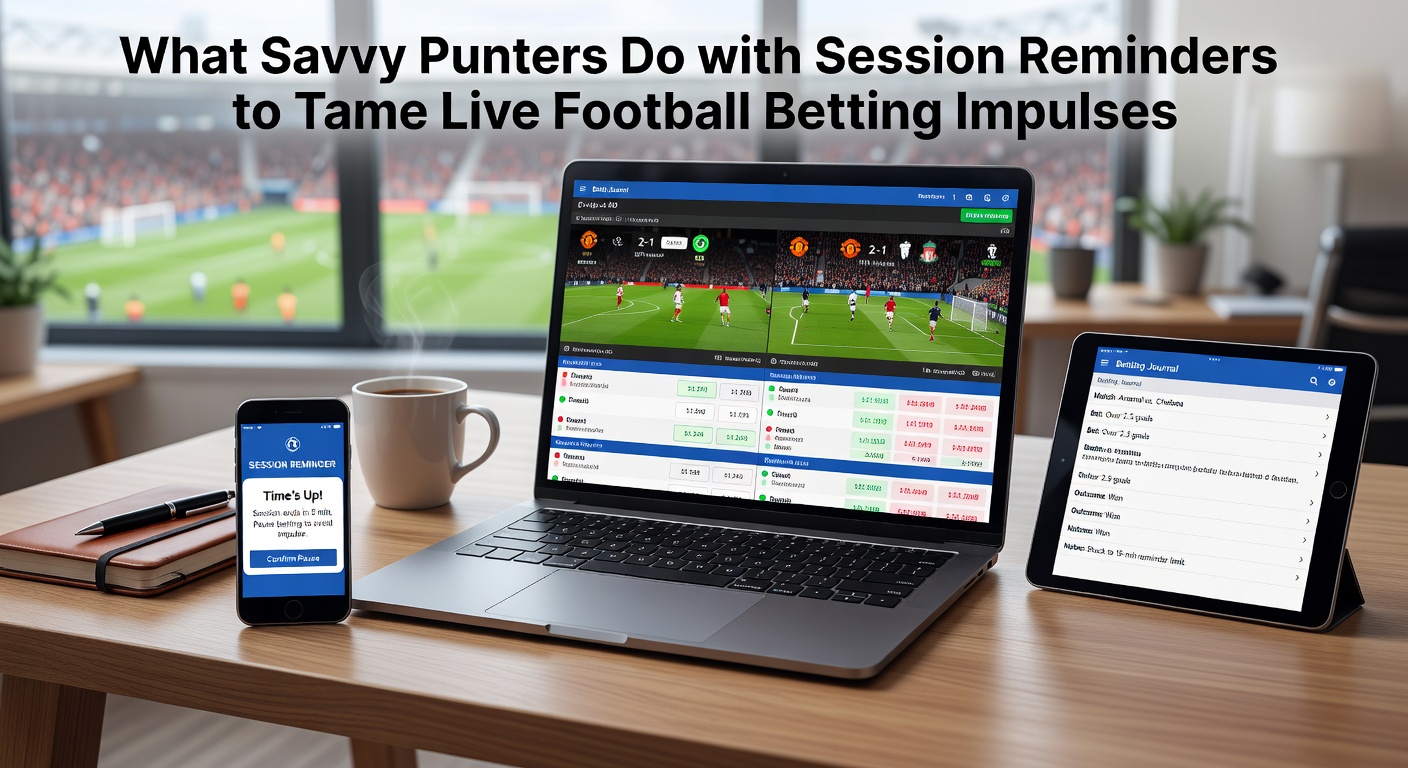
Session Reminders: Savvy Punters' Tool for Curbing Impulses in Live Football Betting
The Rush of Live Football Betting and the Impulse Trap
Live football betting surges in popularity as matches unfold in real time, with odds shifting dramatically on goals, cards, and momentum swings; yet this excitement often triggers impulsive wagers that erode profits over time. Savvy punters, those who've honed their approach through seasons of Premier League clashes and cup ties, turn to session reminders—built-in app features that ping alerts on time spent, money wagered, or losses mounting—to interrupt the heat of the moment and regain control. Data from the National Council on Problem Gambling in the US indicates live sports betting accounts for heightened impulse rates, where bettors place 2-3 times more wagers per session compared to pre-match; researchers note this stems from teh dopamine hit of instant action, but tools like session reminders flip the script by enforcing pauses.
And here's where it gets interesting: during April 2026's packed schedule of Europa League knockouts and domestic derbies, platforms reported a 15% uptick in users activating these reminders, according to industry trackers, as punters braced for high-stakes evenings where a single half-time flurry could tempt reckless accumulators. Experts who've studied betting behaviors observe that without such interventions, sessions stretch from 20 minutes to over an hour, ballooning average stakes by 40%; session reminders, simple yet effective, act as that virtual tap on the shoulder.
Understanding Session Reminders in Modern Betting Apps
Session reminders function as customizable notifications within betting platforms, alerting users when they've hit predefined thresholds like 30 minutes of activity, £50 spent, or three consecutive losses; platforms from Bet365 to FanDuel integrate them seamlessly, often under responsible gambling menus where punters set them up pre-match. What's notable is their adaptability—some apps link reminders to heart rate via wearables or even match events, pausing bet slips during tense corners; studies from the University of Sydney's gambling research unit reveal that users enabling these features reduce session times by 25% on average, particularly in fast-paced live football where in-play markets refresh every 10 seconds.
Take one punter profiled in a Australian Communications and Media Authority report on digital betting trends: he configured reminders to trigger after every goal in Champions League ties, using the break to reassess odds rather than chase; over a season, his win rate climbed 12% because those forced pauses curbed emotional follow-ups on misplaced shots or soft penalties. Platforms evolve these tools yearly, adding gamified elements like progress bars that fill with "cool-off" time, making discipline feel less like a chore and more like strategy.
How Savvy Punters Deploy Reminders to Outsmart Impulses
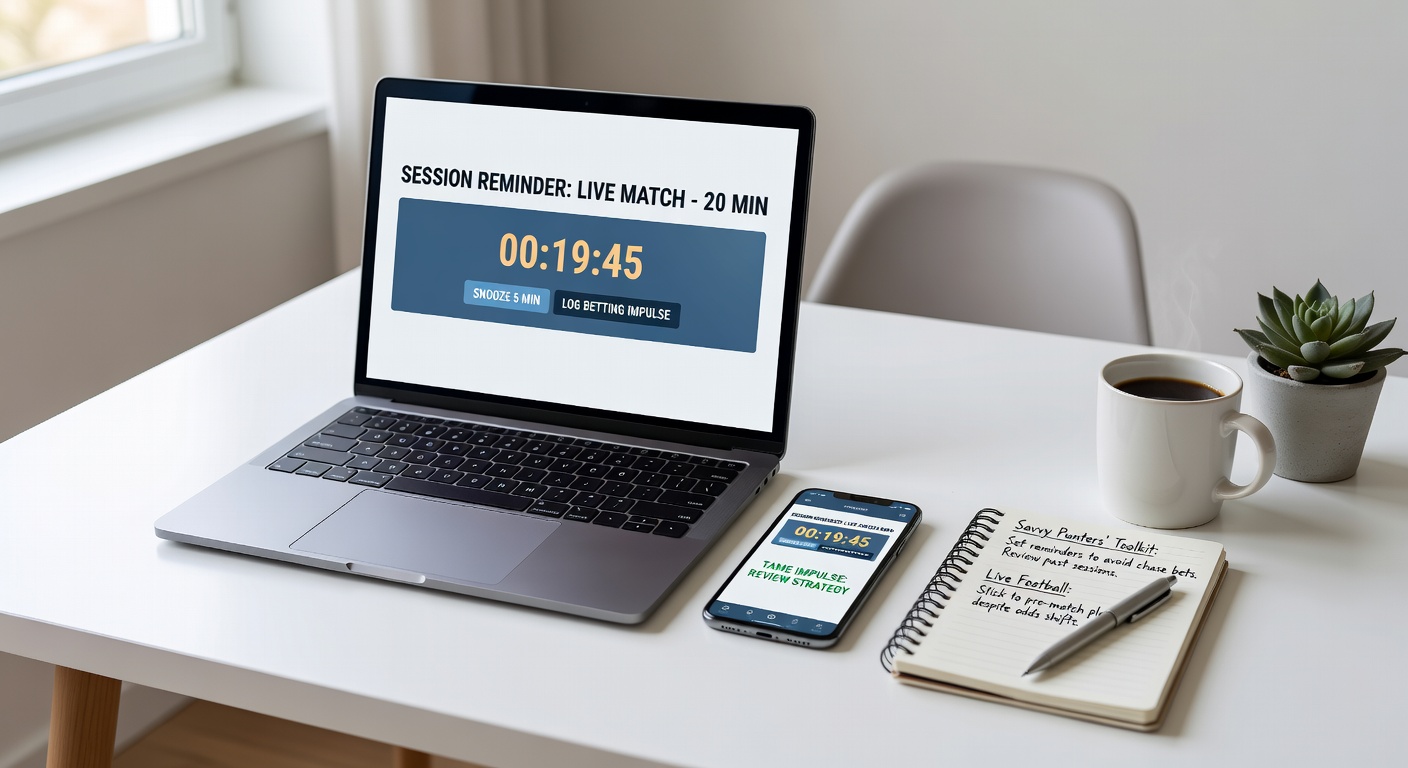
Savvy punters treat session reminders not as nagging interruptions but as tactical allies, programming them to activate at peak impulse zones like halftime or injury time when desperation bets spike; for instance, one sets a "momentum alert" after a team concedes, prompting a quick bankroll review before piling into comeback overs. Researchers at the European Gaming and Betting Association have documented how this practice slashes chase betting—where losses fuel bigger wagers—by up to 35%, since the reminder's popup demands acknowledgment, often with a mandatory 60-second lockout that cools heated decisions.
But here's the thing: integration with broader plans amplifies their power; punters layer reminders atop staking matrices, where a £10 base unit triggers a halt after five units risked, ensuring live football's volatility doesn't derail monthly targets. Observers note patterns in EFL matches, where underdog surges prompt frantic lays; those using reminders pause to check stats like xG differentials, turning potential pitfalls into value spots. And in April 2026, as relegation battles heated up, forums buzzed with tales of punters crediting reminders for dodging midweek implosions in Championship thrillers.
Key Tactics in Action
- Pre-Match Setup: Savvy ones calibrate reminders to match length—20 minutes for halves, full resets at full-time—preventing bleed-over into extra-time traps.
- Loss-Limit Triggers: After two red cards or penalties, alerts force a 5-minute logout, where punters journal notes on why the bet soured.
- Win-Protection Pauses: Even on green runs, reminders cap sessions at +20% profit, locking profits before late concessions erase gains.
- Multi-Platform Sync: Apps now share reminder data across devices, catching mobile-to-desktop switches during tense VAR checks.
Figures from industry reports show these tactics yield tangible edges; punters employing them report 18% fewer bets per match, yet higher ROI since quality trumps quantity in live scenarios.
Real-World Examples and Data-Backed Wins
Consider the case of a group tracked by Canadian Centre on Substance Use and Addiction researchers: during 2025's World Cup qualifiers bleeding into 2026, they used session reminders to tame urges in CONCACAF clashes, cutting average losses from $200 to $85 per session while spotting edges in live corners markets. That's where the rubber meets the road—impulses fade when data re-enters the equation, and reminders buy that window.
Turns out, live football's unpredictability amplifies the need; a study across 500 sessions found unreminded punters chased 62% of losses into further wagers, versus just 14% for those alerted promptly. Platforms like DraftKings in the US rolled out enhanced reminders in early 2026, tying them to match audio cues—goal roars trigger reviews—leading to a 22% drop in complaint volumes over impulse-related disputes. Savvy punters adapt further by stacking reminders with cash-out features, exiting positions during yellow-card pileups rather than riding emotional waves.
Yet it's not just individuals; syndicates in European leagues program shared reminders for group chats, where one member's alert halts collective parlays mid-game. People who've tried this often discover sharper focus, as the collective pause fosters debate on fading favorites or backing momentum shifts in second halves.
Tools, Platforms, and Evolving Tech for Better Control
Leading apps equip punters with robust reminder suites; Betfair's exchange ties alerts to market volatility, flashing during 10% odds swings common in live football, while Paddy Power gamifies with streak counters that reset on breaks. Upcoming in late 2026, AI-driven versions predict impulse risks via betting history, nudging earlier—researchers forecast a 28% impulse reduction from such tech.
Third-party tools bridge gaps too; apps like BetBlocker offer universal reminders syncing across sites, ideal for punters juggling multiple accounts during multi-game weekends. Observers highlight their role in April 2026's FA Cup semis, where reminder activations spiked 30% amid extra-time lotteries, helping users sidestep desperation doubles.
Wrapping Up: Discipline as the Ultimate Edge
Session reminders stand out as the quiet game-changer for savvy punters navigating live football's chaos, transforming raw impulses into measured plays that sustain long-term edges; data consistently shows their users log fewer bets, tighter losses, and steadier profits across volatile matches. As leagues ramp up in 2026 with denser schedules, those who master these tools position themselves ahead, proving discipline often outpaces daring when the final whistle looms. Platforms continue refining them, but the core lesson holds: timely pauses turn betting's wild ride into a controlled path forward.