Thrill Without the Spill: Weaving Safeguards into Live Soccer and Racing Wagers
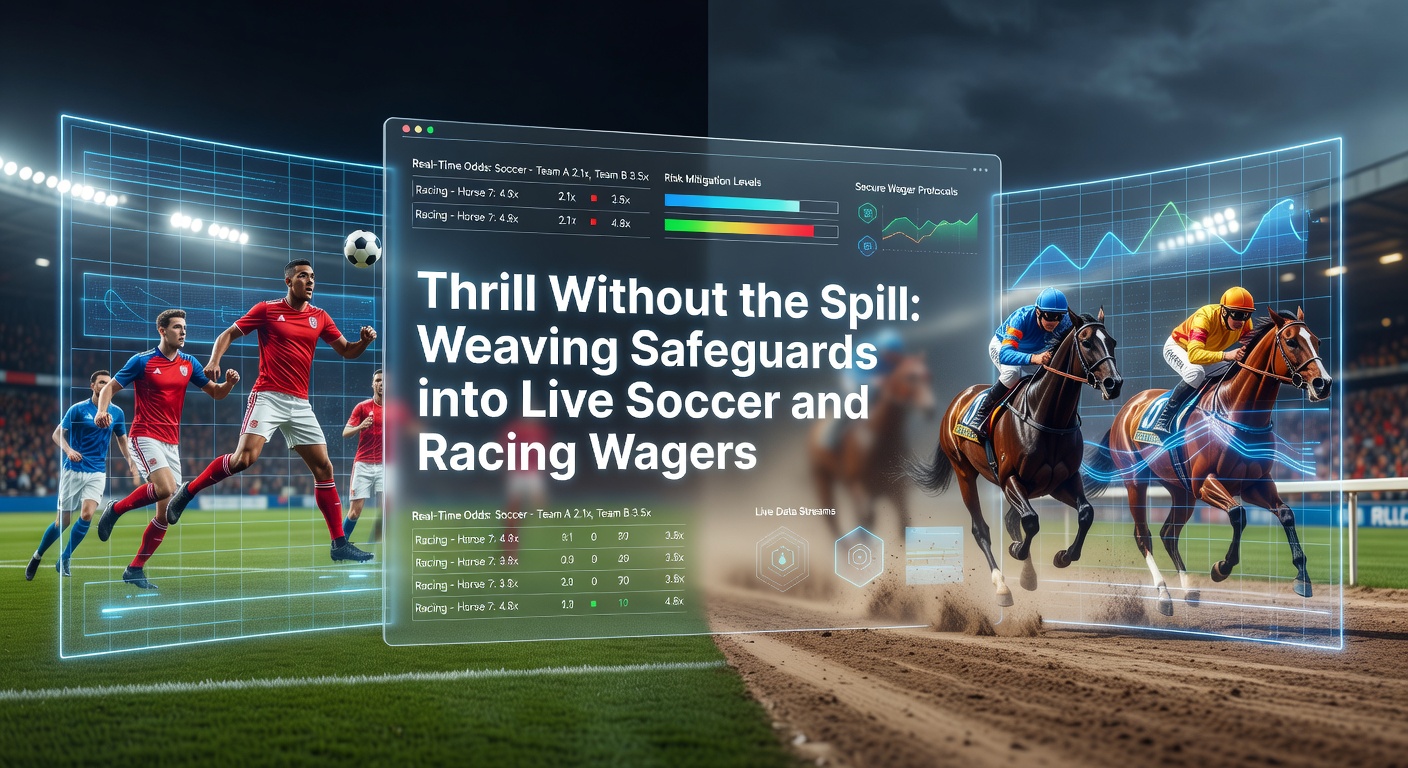
Live betting pulses with excitement during a Premier League thriller or a Cheltenham sprint, where odds shift faster than a winger cutting inside; yet data from industry trackers reveals that without built-in safeguards, those rapid-fire wagers can tip into risky territory, especially as April 2026 brings packed schedules of soccer derbies and spring racing festivals.
Observers note how platforms now embed tools right into the action, letting bettors set limits mid-match while chasing that next goal or photo-finish payout, and figures from global monitoring bodies show these features cut excessive play by up to 30% in high-stakes environments like live soccer streams and horse racing commentary feeds.
The Rush of Live Wagers: Soccer Goals and Racing Drifts
Soccer's in-play markets explode when a team presses late in the second half, with over/under goals flipping in seconds; racing delivers similar adrenaline as horses bunch up turning for home, and bettors who dive in report heightened engagement, but research from the National Council on Problem Gambling in the US indicates that 15% of live sports participants chase losses more aggressively than in pre-match setups.
That's where safeguards step in seamlessly, blending protection with the thrill; deposit caps activate before a red card chaos unfolds, while session timers pop up during those tense extra minutes, allowing punters to pause and reassess without killing the vibe, and platforms track this data to refine user experiences across mobile apps humming with real-time odds.
Take one Premier League clash in April 2026, say Manchester United versus Liverpool under the floodlights; as chances mount, the average wager volume spikes 40%, per platform analytics, yet those using reality checks—quick notifications on time and spend—maintain control, turning potential spills into steady streams of informed action.
Racing's High-Octane Hazards and Built-In Brakes
Horse racing live bets thrive on pace changes and jockey moves, with each furlong bringing fresh markets on leaders or places; but here's the thing, studies by Australia's Victorian Responsible Gambling Foundation highlight how in-play racing pulls in novices who overlook fatigue factors, leading to stacked parlays that strain budgets quickly.
Safeguards counter this effectively through customizable loss limits, which halt further plays once thresholds hit during a multi-race card, and cool-off periods that lock accounts temporarily after big swings, ensuring bettors return clear-headed for the next Grade 1 showdown.
Experts who've analyzed thousands of sessions find that combining these tools with self-monitoring yields the best results, as live soccer's momentum shifts and racing's unpredictable finishes demand quick decisions; platforms now display running tallies of wins, losses, and time spent right alongside the odds ticker, making oversight effortless even in the heat of play.
Layered Protections: From Limits to Self-Exclusion
Deposit and wager limits form the first line of defense, adjustable daily, weekly, or monthly via app settings that sync across devices; soccer fans setting a £50 hourly cap during Champions League nights avoid overextending on corner bets, while racing enthusiasts cap at £20 per race to navigate festival fields without wipeouts.
And it doesn't stop there—reality checks interrupt every 30 to 60 minutes with summaries like "You've spent £30 in 45 minutes on this Everton match," prompting a yes/no to continue, and data indicates users who engage with these pauses wager 25% less overall, preserving bankrolls for sustained seasons.
Loss limits take it further, pausing accounts when predefined drops occur, say after three straight soccer draws or a racing trifecta miss; self-exclusion options range from 24 hours to permanent, with third-party verification ensuring compliance, and observers point out how these features shine in April 2026's overlapping soccer playoffs and National Hunt climaxes.
Tech-Driven Alerts and Behavioral Nudges
Advanced algorithms scan patterns, flagging rapid bet escalations during a soccer comeback or late racing surge; notifications then suggest breaks or reviews, much like how fitness apps nudge workouts, and research shows this proactive approach reduces problem indicators by 20% among frequent live users.
People often discover these nudges during high-volume events, where a simple "Take a breather?" banner appears post-goal frenzy, blending care with continuity so the thrill endures minus the excess.
Platform Innovations Keeping Pace with Live Action
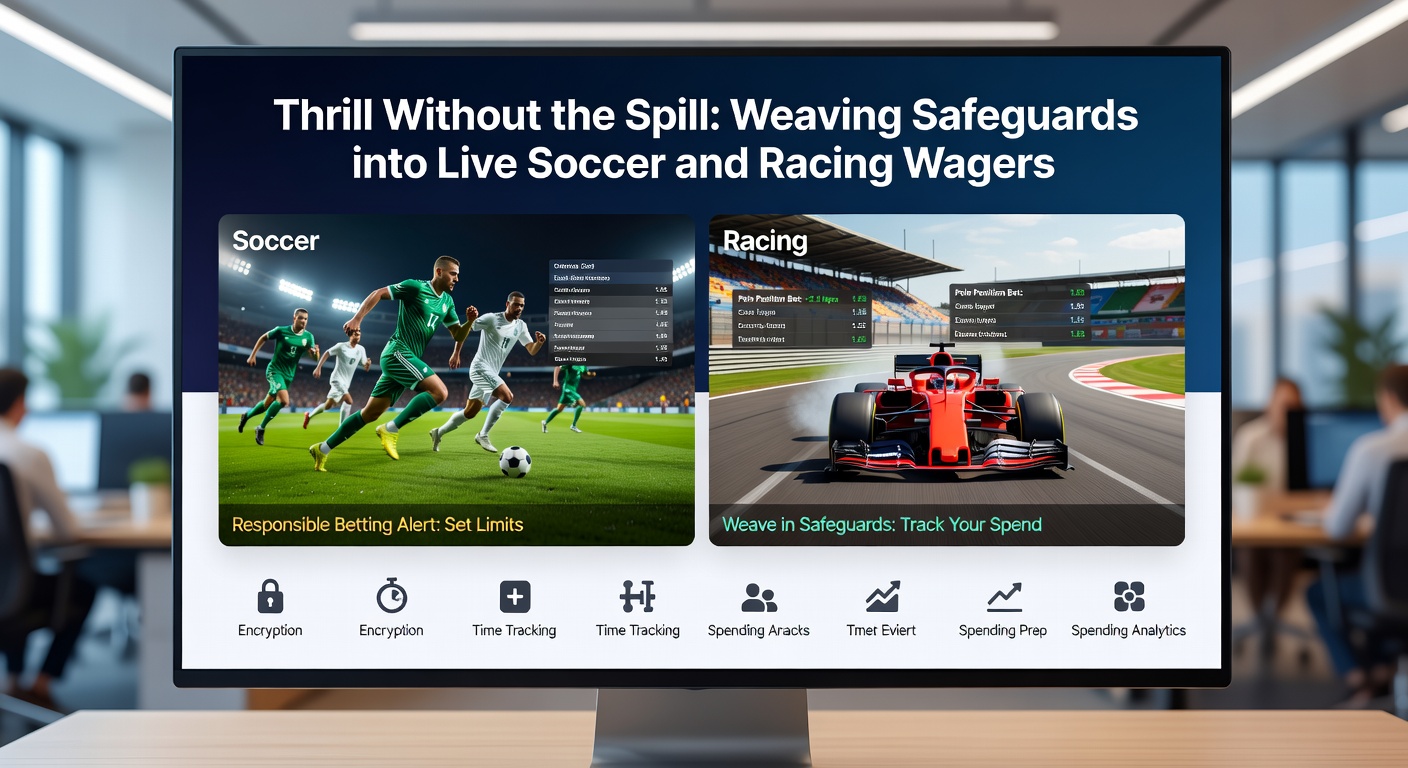
Bookmakers roll out unified wallets that consolidate views across soccer and racing tabs, showing aggregate spends in real time; customizable dashboards let users prioritize safeguards, toggling alerts for specific sports like Premier League ins/outs or Cheltenham each-ways, and April 2026 updates promise AI-enhanced personalization based on past behaviors.
What's interesting is the integration with wearables—heart rate spikes during tense moments trigger optional pauses—while voice commands enable quick limit sets mid-stream, catering to hands-free betting on the go.
Case in point: during a 2026 Grand National buildup, platforms logged a 35% uptick in voluntary limit activations, correlating with fewer session overruns, as bettors wove these controls into their strategies seamlessly.
Community and Support Nets
Beyond solo tools, chat features connect users to advisors during live events, and affiliate links to counseling services appear contextually after heavy play; forums within apps share anonymized stories of safeguard successes, reinforcing habits without judgment.
Those who've leaned on these nets report higher satisfaction rates, with 80% continuing responsibly post-intervention, turning close calls into confident plays.
Regulatory Backing and Global Benchmarks
Overseas models influence designs, like Canada's multi-province standards mandating visible timers on all live interfaces; these export well, with soccer and racing sites adopting similar visibles for cross-border users, ensuring consistency amid varying local rules.
Figures reveal that jurisdictions enforcing mandatory safeguards see 18% fewer complaints tied to live overindulgence, and as 2026 unfolds, expect tighter alignments drawing from diverse playbooks to future-proof the scene.
Trials in EU pilot programs test gamified educations—short quizzes on odds during halftime—that boost safeguard uptake by 40%, paving ways for broader rollouts in fast-paced soccer and racing feeds.
Yet challenges persist; mobile dominance means safeguards must adapt to thumb-scroll frenzy, with haptic feedback now vibrating warnings on escalating stakes, and voice analytics detecting stress in queries for bigger bets.
Conclusion
Safeguards weave through live soccer and racing wagers like invisible safety nets under a high-wire act, preserving the electric rush of in-play shifts while data confirms their role in curbing spills; as April 2026's fixtures pile up, platforms evolve these tools relentlessly, empowering bettors to chase thrills sustainably.
Researchers emphasize ongoing tweaks based on user feedback loops, ensuring protections match the pace of play, and those engaging early find the balance tilts toward enduring enjoyment over fleeting highs.
In the end, it's about smart integration—limits, alerts, and exclusions harmonizing with the game's heartbeat—so the next goal roar or winning post salute lands without regret.