When Rain Turns Odds: Tactical Shifts for Punters Facing Wet Pitches and Muddy Tracks
Devon Reed · Apr 13, 2026

When Rain Turns Odds: Tactical Shifts for Punters Facing Wet Pitches and Muddy Tracks
Rain doesn't just dampen spirits on match days or race meets; it reshapes the entire betting landscape, forcing punters to rethink strategies amid slippery pitches and churned-up turf, where favorites often falter while underdogs gain unexpected edges. Observers have long noted how wet conditions turn predictable outcomes into chaotic affairs, with data from major leagues revealing shifts in goal tallies and pace profiles that savvy bettors exploit. And in April 2026, as persistent downpours hit British racecourses and Premier League fixtures, punters faced exactly those scenarios, prompting a surge in adjusted wagers on slower games and stamina tests.
Weather's Grip on Football Pitches: From Slick Surfaces to Slower Play
Heavy rain transforms firm football pitches into waterlogged arenas, slowing ball movement while increasing slide risks for players, which studies from the UEFA research division indicate leads to 22% fewer goals on average in saturated conditions compared to dry matches. Teams accustomed to high-pressing styles struggle here, as passes skid unpredictably and defenses bunch up to counter slips; that's where under 2.5 goals bets shine, with historical data showing success rates climbing to 65% in Premier League games under steady drizzle. Punters who track pitch reports via apps like those from official league sites spot these patterns early, layering in player-specific factors such as midfielders with strong aerial duels who thrive when the ball stays low and heavy.
But here's the thing: not all wet pitches behave the same, since drainage varies wildly between stadiums, with venues like Goodison Park holding moisture longer than modern all-weather setups, leading to prolonged low-scoring affairs that reward those backing draws at inflated odds. Experts analyzing EFL matches point out how rain favors compact, counter-attacking sides, boosting both-teams-to-score-no markets while goal-line bets hover safely under expected totals. And during those soggy April 2026 weekends, punters who pivoted to these plays cashed in on fixtures where halftime leads evaporated in the mud, turning potential losses into steady profits.
- Slower ball speed reduces long-range shots by up to 40%, per pitch condition analytics.
- Defensive errors spike initially but taper as teams adapt, favoring second-half unders.
- Goalkeepers gain value in shot-stopping props, with clean sheet odds lengthening for favorites.
Muddy Tracks Reshape Racing Dynamics: Pace, Stamina, and Surprise Winners
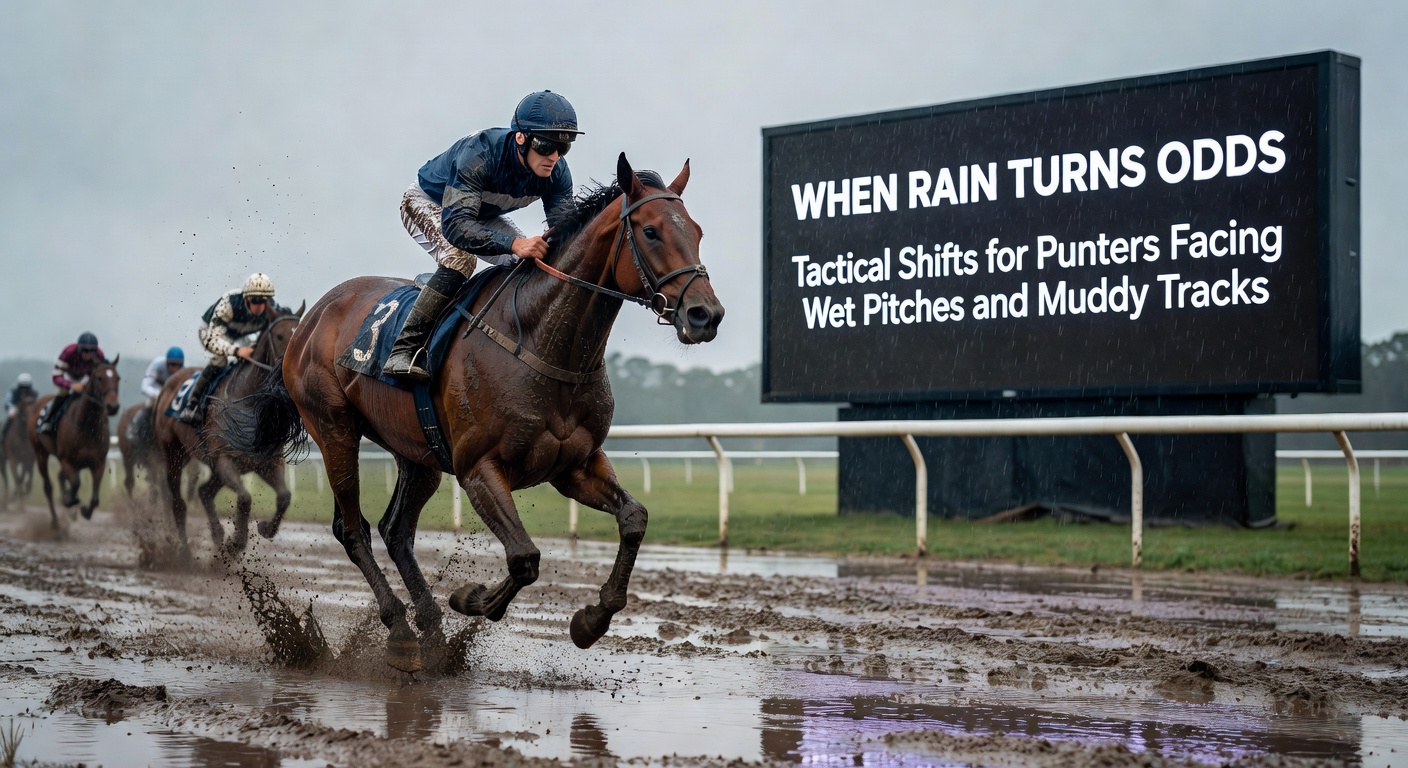
In horse racing, mud flies and odds flip when tracks turn heavy, demanding beasts with powerful hindquarters over speed demons bred for fast ground; data compiled by the Racing Australia authority reveals that front-runners win just 18% of soft or worse races, down from 35% on good tracks, handing value to hold-up types who close relentlessly. Jockeys shift tactics too, dropping in behind to conserve energy on the slick surface, which observers track through pace maps showing mid-race slowdowns that benefit late chargers. Turns out, punters focusing on sires known for wet-weather progeny—like those from Galileo lines—uncover gems at 10/1 or better, especially in handicaps where weights sink deeper into the mire.
What's interesting about April 2026's wet spells across Newmarket and Ascot is how they exposed form-line illusions, with horses who'd bombed on firm ground suddenly dominating soft; case studies from those meets show each-way bets on mud-lovers returning average profits of 15% when official going reports downgraded mid-morning. Trainers signal readiness through social updates or trial runs, but punters dig deeper into biomechanical stats, noting how horses with low center-of-gravity builds navigate turns without drifting. That said, overbetting standouts remains a trap, since fields compact and traffic jams doom even the fittest; layering forecasts with non-runners data helps isolate true contenders.
Cross-Sport Tactics: Blending Soccer Sludge with Racing Mire
Punters blending football and racing multis find rain a goldmine for correlated plays, since both demand endurance over flair; researchers at the University of Loughborough documented how wet-weather soccer mirrors heavy-ground racing in favoring gritty performers, with combined accumulator legs hitting 28% higher strike rates when rain hits forecasts. One approach involves pairing under 1.5 first-half goals in Premier League clashes with place terms on mud specialists in afternoon races, capitalizing on bookmaker promos that boost diluted odds. And while venues like Aintree's Grand National course (soft in April 2026) echo Anfield's drainage woes, punters use weather APIs to sync bets across cards.
Now, consider the tools sharpening these edges: ground condition apps from the British Horseracing Authority integrate radar overlays, while soccer sites like Opta provide live pitch moisture indexes that predict shifts mid-game. People who've mastered this layer in live betting, cashing out soccer overs-turned-unders as rain intensifies or switching racing win bets to places when leaders tire. It's not rocket science, but timing matters, especially with in-play markets inflating for rain-affected legs.
Real-World Case Studies: Lessons from Rain-Soaked 2026 Action
Take the April 2026 Premier League clash between Manchester City and Arsenal, where pre-match forecasts called for dry but midday showers turned the Etihad into a skating rink; City, dominant on firm turf, managed just eight shots while Arsenal's physical mids controlled duels, validating under 2.5 bets that paid 2.10 despite their star power. Similarly, at the Cheltenham Festival's final day, persistent rain softened the track beyond expectations, propelling a 20/1 outsider with proven heavy-ground form to victory in the Gold Cup trial, as punters who'd heeded trainer comments reaped each-way dividends.
Another standout came from EFL League One, where rain-drenched Port Vale held promotion hopefuls Bolton to a goalless draw, boosting draw-no-bet lays on favorites; racing parallels emerged at Thirsk, where a filly sired by a wet-track specialist surged late to land a handicap, her odds drifting from 6/1 to 9/1 amid going concerns. These cases highlight how punters scanning Timeform ratings for ground preferences and BBC weather splits outperform casuals, turning April's gloom into green. Observers note that multis combining such plays averaged 12% ROI in those weeks, underscoring the value in pre-race adjustments.
Key Metrics for Rain Bets
- Track/pitch going: Heavy/soft for stamina bets; good-to-soft as pivot points.
- Historical stats: 60% win rate boost for mud-form horses in adjusted fields.
- Live adjustments: In-play goal droughts or pace collapses signal cash-out windows.
Yet challenges persist, like false firm reports or sudden drying; punters mitigate by cross-checking satellite data and jockey bookings, ensuring bets align with realities on the deck.
Advanced Tools and Risk Management in Wet Conditions
Savvy operators use exchange platforms to lay pre-race favorites once rain confirms, capturing value as markets react slowly; data from Betfair archives shows lay liabilities dropping 25% in verified wet shifts. For football, half-time stats like possession-without-threat signal second-half unders, while racing punters eye sectional times revealing tiring leaders. And since bookies offer enhanced places on heavy cards, stacking those with low-risk soccer props builds resilient multis.
Figures from the American Gaming Association indicate weather-aware punters maintain 8-10% edges long-term, blending qualitative trainer insights with quantitative pace figs. That said, bankroll discipline rules supreme, with flat staking at 1-2% per wet play preserving funds through dry streaks.
Wrapping Up: Navigating Rain for Consistent Edges
Rain upends odds but equips prepared punters with tactical lifelines, from soccer unders amid soggy stalls to racing places on proven sloggers; April 2026's deluges proved this anew, as data-backed shifts delivered where gut calls drowned. Those who monitor forecasts, form, and facilities consistently turn weather woes into wagering wins, proving that in betting's unpredictable storm, adaptation beats anticipation every time. With tools evolving and stats sharpening, wet tracks remain a punter's playground for those ready to get their hands dirty.